How AI Is Quietly Changing the Way We Work in 2026
AI has woven itself into the fabric of everyday work. From task management to hiring, here's how it's reshaping the workplace — and what it means for you.
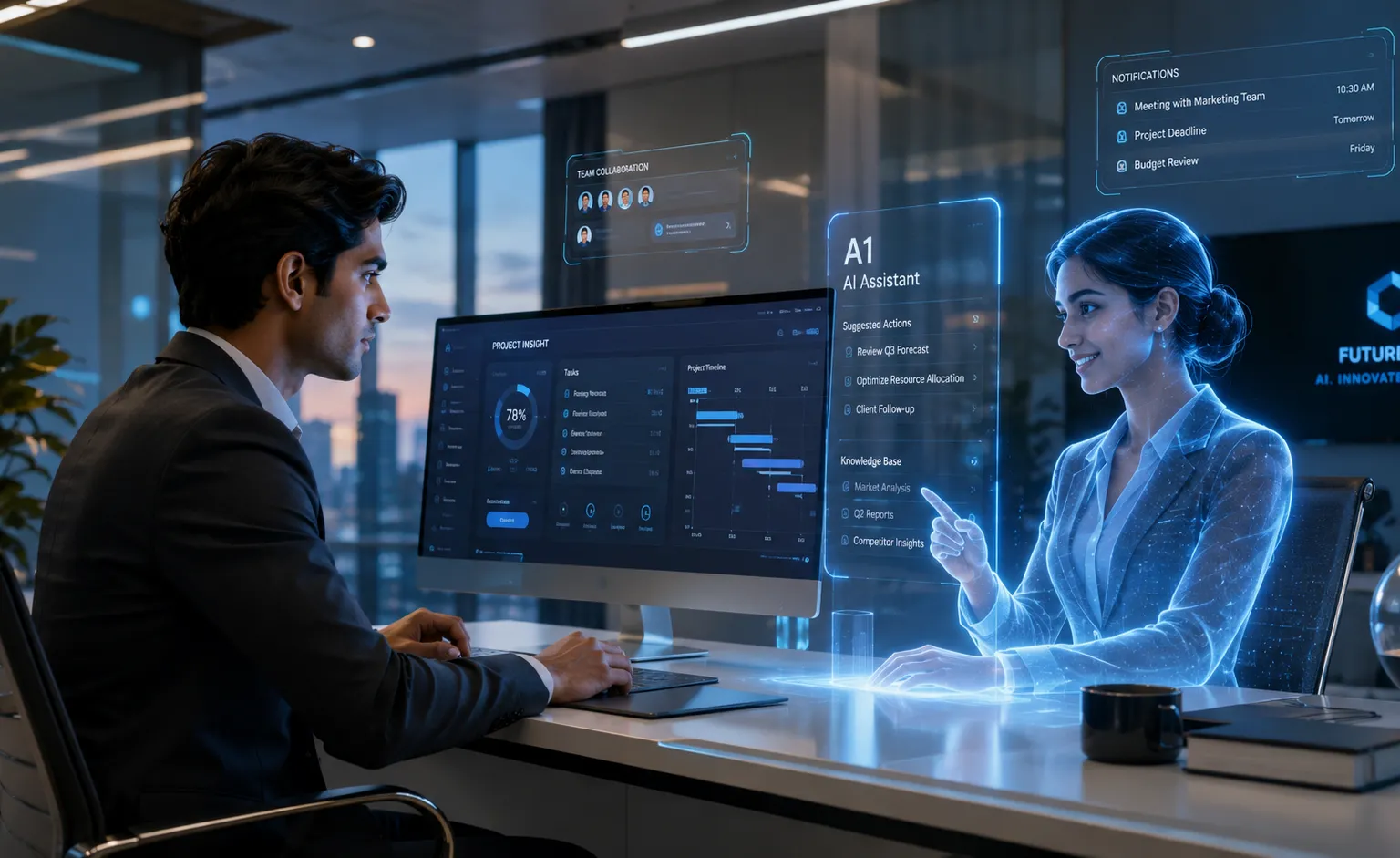
Artificial Intelligence is no longer a buzzword confined to tech conferences or Silicon Valley boardrooms. In 2026, it has quietly woven itself into the fabric of everyday work — from how we manage tasks to how companies hire, collaborate, and make decisions. Most people don’t even notice it happening. But the shift is real, and it’s massive.
1. From Tools to Intelligent Systems
One of the most defining AI trends in 2026 is the shift from isolated tools to integrated intelligent systems. Instead of using AI only for chatbots or analytics, organizations are now embedding AI across entire value chains. AI is no longer a feature — it’s the foundation.
2. Repetitive Work Is Disappearing
Gone are the days of spending hours on mundane tasks. In 2026, intelligent automation tools can process invoices, summarize lengthy documents, manage calendars, and extract information from large amounts of data in a matter of seconds — saving hours previously spent on repetitive tasks.
For example, accountants who once spent hours reconciling financial statements can now rely on AI software to scan transactions and flag discrepancies automatically. HR departments now use AI-based solutions to screen resumes, coordinate interview schedules, and manage onboarding.
3. Agentic AI — The Biggest Shift Yet
The biggest transformation is the rise of agentic AI. While we’ve already seen big paradigm shifts in where we work, how we do it, and with whom — leaders will now be managing teammates that aren’t even human. These AI “agents” don’t just respond to prompts — they plan, act, and follow through on tasks independently.
“The organizations that lead in 2026 will embrace open, interoperable ecosystems built on trust — unlocking new levels of agility, creativity, and performance.” — Cisco
4. Smarter Task Management
The best task managers in 2026 aren’t just digital to-do lists. They’re AI-powered systems that help you prioritize, plan, and actually complete work — not just log it. They monitor your inbox, predict delays, reschedule tasks automatically, and optimize your day around your peak productivity hours.
5. The Skills Earthquake
The job market is feeling the tremors. US job postings requiring AI skills grew 144% year over year as of April 2026, compared to just 7% growth in overall job postings. The message is clear — AI literacy is now a baseline requirement, not a bonus.
The key insight: AI is transforming work more than eliminating it. The workers who thrive will be those who adapt their skills to complement AI capabilities.
| Skill Category | Growth Rate (2025–2026) |
|---|---|
| AI & Machine Learning | 144% |
| Cybersecurity | 67% |
| Data Analysis | 52% |
| General Job Postings | 7% |
6. Culture Is the Real Challenge
Interestingly, the biggest obstacle to AI adoption isn’t the technology itself. Research published in Harvard Business Review found that more than 90% of organizations cite culture and change management — not technology — as the primary barrier to AI adoption.
Organizations that get this right will reskill their workforce faster, redesign jobs more thoughtfully, and build cultures where people and AI grow together.
Conclusion
AI isn’t coming for your job overnight — but it is changing what your job looks like. The professionals who lean into this shift, learn to work with AI, and stay curious will be the ones who lead in the years ahead.
The future of work isn’t human or AI. It’s human and AI — working as one.
Discussion
Sign in with GitHub to join the conversation.